
Caring for
your eyes
Suffering from an eye infection can be painful and inconvenient. Eye infections can easily spread to family members and friends if careful steps are not taken to help prevent the spread of the infection.1
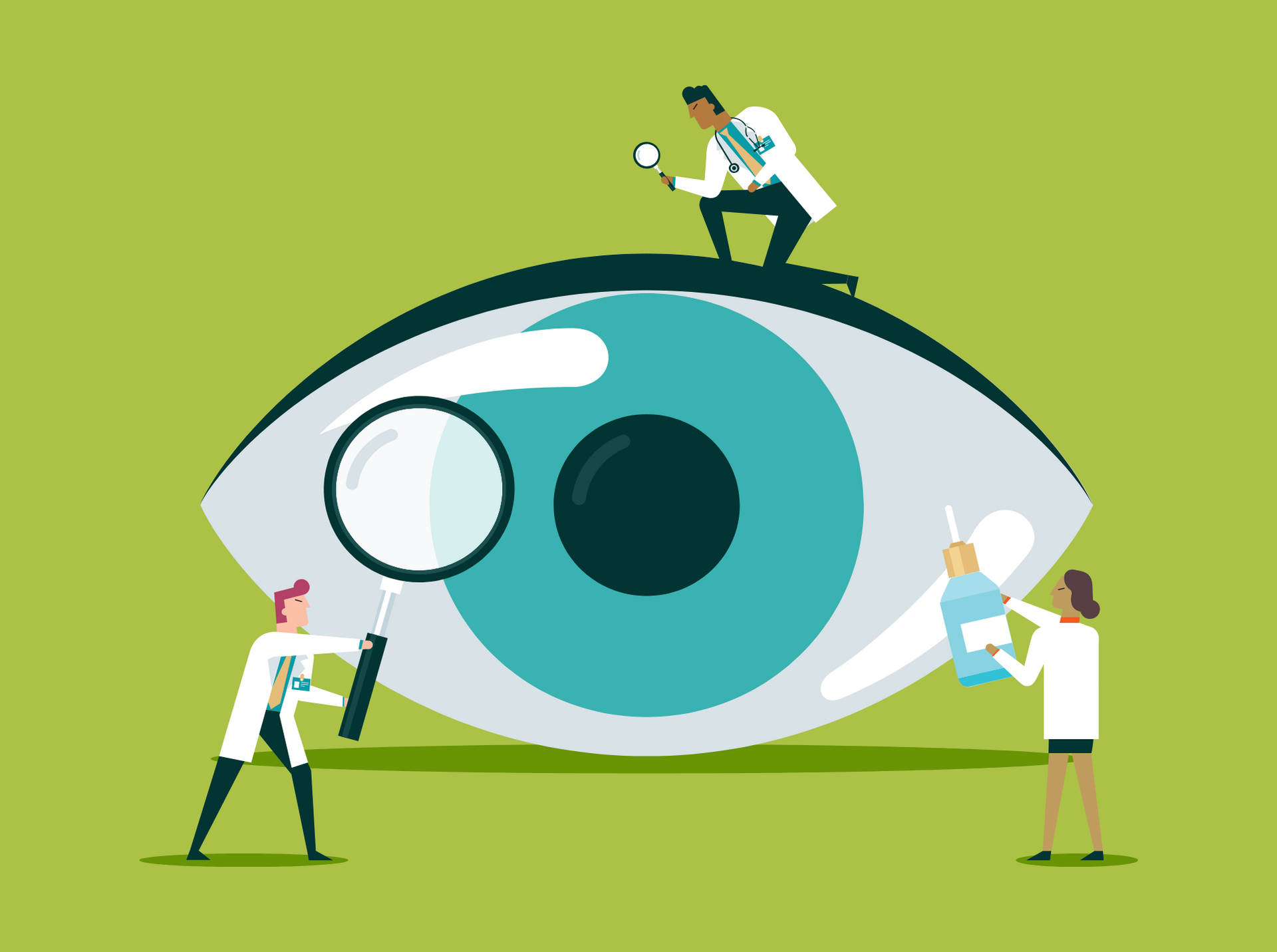
What can I do?
Caring for your eyes by following these top tips, can help reduce your chances of getting or passing along an eye infection.
Wash Your Hands 1
Ensuring your hands are kept clean helps protect you from microbes and passing on bacteria to other people.
Stay Hydrated 2
Dehydration can result in dry, irritated and painful eyes. You should be drinking around 6-8 glasses of water every day or more in hotter weather.
Avoid Rubbing Your Eyes 1
If your eyes are itching or start to water due to a viral infection, avoid rubbing them. Instead use a clean cloth to wipe your eyes and avoid spreading any virus onto your hands. Ensure you do not reuse the cloth after you have used it to wipe your eyes.

Rest Your Eyes 2
It’s important to rest your eyes from screen time; mobile devices, laptops and TVs. To help avoid eyes becoming puffy and irritated, try to ensure you sleep well each night.
Smoking 2
Smoking has been linked to several eye conditions including cataracts, age-related macular degeneration (AMD), thyroid eye disease and general eye irritations. If you smoke, try to cut down or quit.

Balanced Diet 2
A balanced and healthy diet can help to reduce risk associated with common eye health conditions, including age-related macular degeneration (AMD). The best foods for eye health include nutrient-rich fruits and vegetables, such as blueberries, peaches, avocado, kale, leeks, spinach and red peppers.
Other foods that are good for eye health are cold water fish, like tuna, sardines and mackerel.

Regular Eye Tests 2
Having regular eye checks is essential to identify any vision health issues and underlying conditions. Symptoms of these conditions aren’t always obvious, but an optician can spot many of these early warning signs, ensuring they can be treated before they worsen.
The NHS recommends that you have an eye examination at least every two years (or more often if recommended by your optometrist), even if you don’t require glasses or contact lenses. If you have any concerns regarding your eyes, make an appointment with your optician or GP.

Protect Your Eyes 2
Protecting your eyes from UV rays is recommended to help prevent long-term damage to your eyes. UV exposure can also include a significantly increased risk of developing age-related conditions, such as cataracts.
The sun isn’t the only thing that can cause direct damage to your eyes. Injuries to the eye are unfortunately very common and can result in hospital admissions. Wearing protective eye wear is recommended when carrying out DIY or tasks, or activities where objects could hit and damage your eye.
Advice for Contact Lens Wearers 3
- Avoid sleeping in lenses unless directed by your eye care provider.
- Wash hands thoroughly with soap and water before handling lenses.
- Dry hands completely with a clean cloth before touching lenses.
- Remove before swimming or showering to prevent germ exposure.
- Properly clean your lenses with the recommended solution and following the instructions that are provided with your lenses.
- Remove your lenses if they feel uncomfortable and contact your healthcare provider if you believe your eyes are infected. Avoid wearing your lenses until the infection has cleared.

Date of Prep: October 2025 Approval Code: GOL/25/05